

Beyond Collection: Rethinking Transfusion Sustainability
Analysis of blood shortages in Morocco, from occasional donations and weak regular-donor rates to storage constraints and the need for sustainable transfusion self-sufficiency.
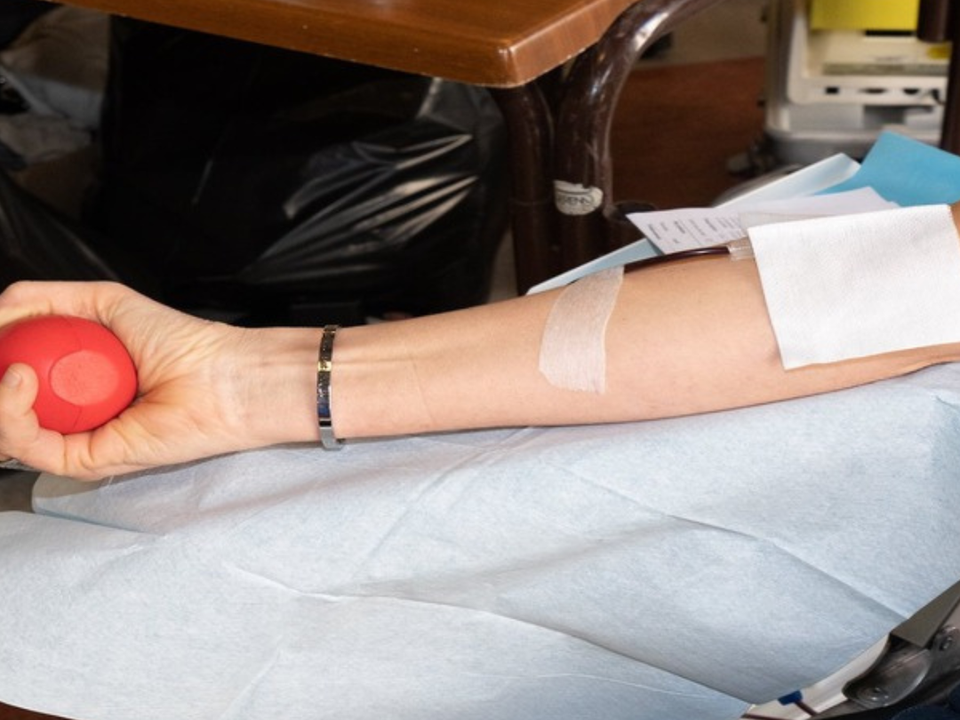
When every drop counts, Morocco faces a major challenge: guaranteeing a stable blood supply amid recurring shortages.
On World Blood Donor Day, June 14, 2025, Morocco is once again highlighting a structural challenge for its health system: the chronic instability of its transfusion chain. Despite notable efforts in organization and awareness-raising, cyclical blood shortages, aggravated during sensitive periods, reveal the limits of a model still largely based on occasional donations and a reactive logic.
Morocco's Efforts:
In response to these challenges, the national strategy now pursues several objectives:
- Anticipate blood shortages in hospitals.
- Reduce emergency costs in the event of a disaster.
- Strengthen the country's health resilience.
- Expand the donor base and bring collection services closer to all provinces, especially the most isolated ones.
The national system is based on a structured network of Regional Blood Transfusion Centers (CRTS), established in the country's main metropolitan areas, from Casablanca to Oujda via Rabat, Fez, Tangier and Agadir. These centers manage the entire transfusion chain, from collection to processing and distribution, in connection with healthcare facilities.
Thanks to this structured network of regional centers, Morocco is gradually improving transfusion coverage across the country. In 2023, blood donations reached 382,234, an increase of 11% compared with 2022. During Ramadan 2024, an exceptional increase of 14% in donations was recorded compared with the previous year. This progress followed the launch of several off-site campaigns: collections are organized in universities, companies and public places. For example, at the Polydisciplinary Faculty of Safi, a campaign was held on April 29 and 30, 2025 with the Safi CRTS. Each donation follows a rigorous protocol based on the criteria established by the World Health Organization for safe donation: age, weight, health status, medical history...
Structural Challenges:
This organization, although consolidated, must now respond to new structural challenges:
- Cyclical shortages: these occur regularly during certain periods of the year, such as summer, Ramadan or religious holidays. During these moments, the drop in the number of donors coincides with an increase in demand, particularly because of road accidents and urgent medical needs. Blood stocks are often very low, sometimes limited to only a few days of reserve, which endangers patients needing urgent transfusions, especially accident victims. This situation is aggravated by the short shelf life of blood components: 42 days for red blood cells, 5 days for platelets, requiring constant stock renewal.
- Greater dependence on occasional donations: The Moroccan system still relies heavily on occasional donations, often motivated by emergencies or one-off calls for solidarity, rather than on a culture of regular donation. This reactive logic contrasts with the objective of structural self-sufficiency that any transfusion policy should pursue. According to Dr. Zejli, head of promotion and coordination at the CRTS, collection campaigns are often intensified during crises, but this does not guarantee structural self-sufficiency. Morocco is therefore in a reactive rather than preventive approach: blood donation is not yet perceived as a regular civic commitment, but rather as a response to an exceptional situation.
- Lack of regular donors: this dependence on occasional donations goes hand in hand with a structural lack of regular donors. The rate of regular donors in Morocco remains low: only 22% of donors are considered regular, while the WHO recommends a donor rate above 1% of the population. Morocco reaches only 0.92%. This shortage of regular donors prevents the creation of stable, reliable stocks, exposing the country to frequent disruptions.
The Multidimensional Impact of Shortages on Morocco:
This structural deficit of regular donors, combined with an essentially reactive donation logic, weakens the national transfusion system over the long term. Beyond the immediate health issue, blood shortages also have notable economic and organizational repercussions, affecting all actors in the health system. Their consequences can be observed at several levels, particularly economically. Among these consequences:
- Use of costly solutions: To address shortages, blood bags are purchased at high prices: the cost of a blood bag can range between 300 and 3,000 DH (2017 prices before inflation), depending on blood type and the patient's condition, representing a significant financial burden for families and hospitals.
- Postponements and cancellations of medical procedures: hospitals are sometimes forced to postpone or cancel non-urgent surgical operations, particularly when blood is lacking, which generates indirect costs linked to longer hospital stays, staff mobilization and the reorganization of medical schedules.
What Solutions Could Address This Shortage?
Sustainable improvement in blood donation in Morocco requires several systemic solutions:
- Developing a donation culture: developing a culture of blood donation, integrated into public health policies and educational programs in Morocco, is essential to guarantee sustainable self-sufficiency in blood products and meet the country's growing needs. With this in mind, Morocco has already launched several national campaigns to raise awareness and encourage regular donations, particularly among young people and students, who make up a significant share of donors.
- Integrating donation culture into school programs: this is a key element of the solutions to be implemented. By instilling values of solidarity from an early age, informing students about donation safety and combating misconceptions, this would help transform occasional donation into an ongoing civic commitment.
- Systematically integrating donation culture into public policy: this is a fundamental lever for ensuring transfusion safety, strengthening social mobilization and sustaining Morocco's health system. One example would be an obligation for public and private companies to organize at least two campaigns per year.
- Creation of a national donor database: applications are being developed to automatically remind eligible donors by SMS or email, which encourages regular donations and reduces dependence on emergency collections.
The issue of blood donation in Morocco can no longer be approached only through awareness-raising or one-off mobilization. In reality, it raises a broader question of health sovereignty and health-system resilience. Although the data show encouraging progress, persistent shortages reveal the limits of a model that remains reactive and insufficiently rooted in a structural logic.
Building sustainable transfusion self-sufficiency requires a paradigm shift: it is no longer only a matter of collecting more, but of deeply rethinking how citizens, institutions and territories relate to blood donation. Faced with these challenges, the question remains open: how can all Moroccan citizens be mobilized sustainably to make blood donation a true regular and solidarity-based civic act?