

CNOPS-CNSS Merger: Between the Promise of Efficiency and Union Concerns
The CNOPS-CNSS merger aims to unify AMO management, but raises union concerns over acquired rights, social consultation and protection of insured members.
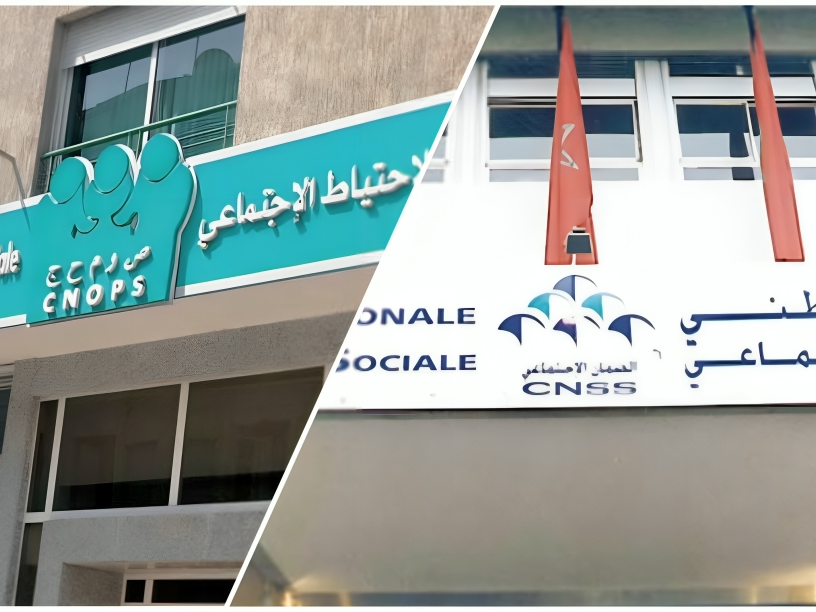
The merger between the National Fund of Social Welfare Organizations (CNOPS) and the National Social Security Fund (CNSS) is a hot topic in Morocco’s health landscape. This project, which aims to unify the management of compulsory health insurance (AMO) under a single entity, has prompted strong reactions from unions and mutual funds. The Moroccan government’s decision to adopt this Draft Law No. 54-23 was postponed, allowing for a more in-depth debate on its implications.
Objectives of the Draft Law
The main objective of the draft law is to centralize the management of AMO schemes for both the public and private sectors, in order to improve efficiency and access to health services.
- Efficiency and Equity: supporters of the merger emphasize that this initiative aims to centralize the management of AMO schemes for both the public and private sectors. This could improve administrative efficiency and ensure greater equity in access to care. By unifying the systems, it would be possible to reduce disparities between different groups of insured persons.
- Financial Management: another strong argument in favor of this merger is the need for more coherent financial management. While the CNSS shows a financial surplus, CNOPS faces a growing deficit. The merger could allow better allocation of resources and more effective management of financial risks, which is crucial in a difficult economic context.
- Service Harmonization: the merger could also lead to harmonization of the services offered to insured persons. By combining the two funds, it would be possible to improve service quality and ensure fairer and more transparent reimbursement for all beneficiaries.
Reactions from Unions and Mutual Funds
Reactions to this initiative have been largely negative. The Moroccan Labour Union (UMT) called for the project to be withdrawn, denouncing its preparation without adequate consultation with social partners.
- Absence of Consultation and Social Dialogue: Unions say the government acted unilaterally, without respecting social-dialogue mechanisms, which are essential for discussing reforms affecting workers’ rights and social protection.
- Loss of Acquired Rights: Unions fear that CNOPS members, who number more than 3 million beneficiaries, could lose their acquired rights. They point out that members could face an increase in contribution rates, a less advantageous basket of care and a lower reimbursement rate. Chronic diseases currently covered by CNOPS might not be covered by the CNSS, which could seriously affect insured persons.
- Impact on CNOPS Employees: The merger also raises concerns about the professional future of CNOPS employees. Unions fear that these workers may not be protected during this transition and that their employment conditions could be compromised.
- Break with Previous Promises: The UMT stresses that this initiative appears to contradict commitments made by the government during previous discussions on major social issues. They see this decision as a break with the promises of collaboration and consultation made within the framework of social dialogue.
Conclusion
The merger between CNOPS and CNSS represents a turning point in Morocco’s health system. However, to ensure the success of this reform, it is crucial to establish transparent and participatory dialogue with unions and mutual funds. The real challenge lies in the government’s ability to reconcile administrative efficiency with protection of members’ rights. How can the Moroccan government strike this balance without sacrificing one for the other?