
A Closer Look at the Evolution of AMO
Hassan Boubrik details the evolution of AMO in Morocco, from expanded coverage and rising reimbursements to the launch of AMO Achamil and cost-control challenges.
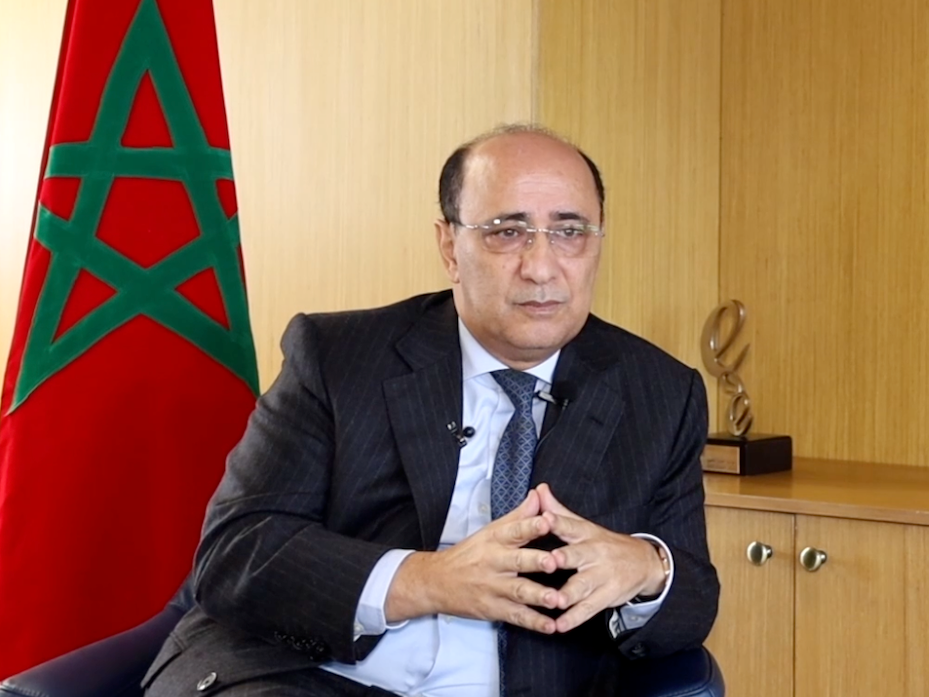
Under the leadership of King Mohammed VI, the Kingdom has undertaken a major project to generalize social protection. Compulsory Health Insurance (AMO) is emerging as a cornerstone on the path toward universal health coverage. In a recent interview given by Mr. Hassan Boubrik, Director General of the National Social Security Fund (CNSS), to Médias24, important clarifications were provided on the progress and challenges of this new health system.
AMO, which now covers all Moroccans, is the result of sustained legislative and operational implementation work. As Mr. Boubrik emphasized, all the necessary mechanisms are in place, ensuring that no one is excluded from this essential medical coverage. Whether you are an employee, self-employed worker, member of a vulnerable population or even not professionally active, there is a specific AMO component that meets your needs.
The numbers speak for themselves: with around 24 million people registered with AMO, Morocco has taken a major step toward achieving universal access to healthcare. As a reminder, the manager of AMO for employees counted 7.8 million people in 2021.
Operationally, the results show unprecedented progress. In 2023, the CNSS processed nearly 10 million AMO reimbursement files, demonstrating the system’s effectiveness in managing reimbursement requests. In addition, the recent launch of AMO Achamil in January 2024 opens new prospects for the future of health in Morocco.
Despite these successes, Mr. Boubrik stressed the need to remain vigilant. The sustainability of the system depends on the ability to control health expenditure, particularly through optimization of the costs of medicines and medical procedures, as well as prevention and early-care initiatives. In a context where innovative treatments can represent a considerable cost, informed decisions will need to be taken to ensure the system’s financial viability.
In a world where health systems are constantly being tested, the sustainability of our system in Morocco rests on solid foundations, but also on a proactive vision of health. As Mr. Hassan Boubrik, Director General of the CNSS, emphasized, controlling health expenditure is crucial, but it cannot be achieved without significant investment in disease prevention, particularly cancer.
Prevention is one of the pillars on which the future of our health system rests. By encouraging healthy lifestyles, raising public awareness of risk factors and facilitating access to screening programs, the burden of preventable diseases will be reduced.
In parallel, controlling medicine costs is an ongoing challenge. While innovative treatments offer new opportunities to improve health outcomes, they can also represent a considerable financial burden. According to the latest 2022 AMO statistical report, the average cost per file in 2022 was 1,048 dirhams, compared with 906 dirhams in 2015 and 1,032 dirhams in 2019. This is why informed decisions must be taken to ensure access to medicines while preserving the system’s financial viability.