

Generalization of AMO: Multiple Perspectives
FNACAM debates the transfer of “114” insured persons to AMO, between opportunities for the CNSS, broker concerns and the adaptation of complementary insurance.
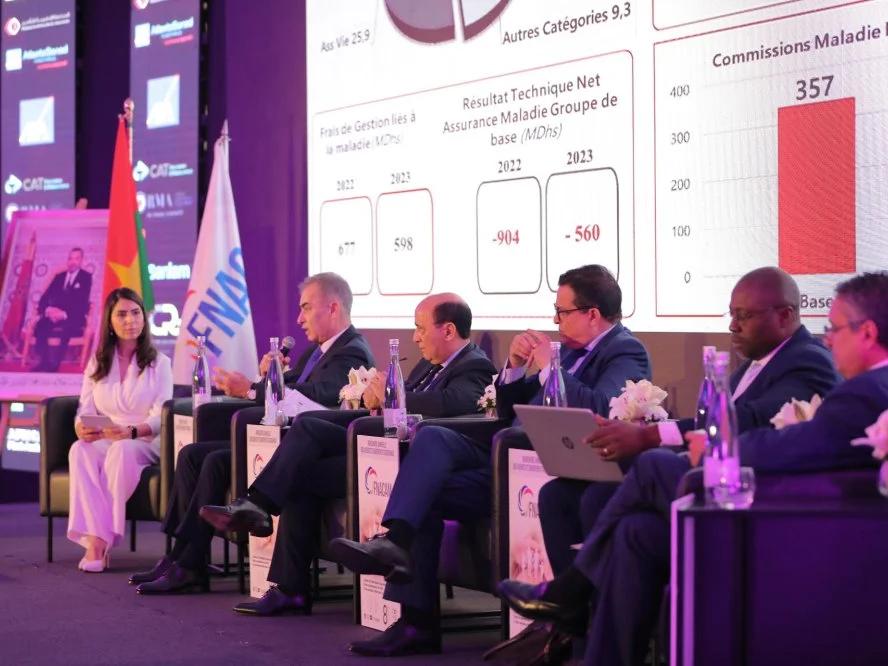
The Challenges of AMO Reform at the Center of FNACAM’s 8th Meeting
The 8th edition of the annual meeting of the National Federation of Insurance Agents and Brokers of Morocco (FNACAM) took place this year in a particularly important context: discussions around the draft decree intended to include “114” insured persons in Compulsory Health Insurance (AMO). After nearly 20 years of exclusion, this reform will finally come into force.
Identified as “114” in reference to Article 114 of Law No. 65.00, these Moroccans, currently covered by private insurance, a mutual fund or an internal fund, are about to undergo a major change.
During this edition, the focus was placed on the potential impact of this generalization of AMO on insurance intermediaries and on the sector as a whole. Brokers and insurance companies expressed the need for a transition period to put an effective transition plan in place. The economic stakes are considerable: 4 billion dirhams in turnover for insurance companies and nearly 400 million dirhams for brokers and agents are at stake.
An Opportunity for the CNSS and Private Insurers
Hassan Boubrik, Director General of the CNSS, sees the generalization of AMO as an opportunity for private insurers. “There is no contradiction between the generalization of AMO and health insurance in the private sector. On the contrary, the two systems complement each other,” he states. Since 2021, the number of AMO beneficiaries has risen from 8 million to around 24 million.
These decrees or regulatory texts took a long time: 19 years between the year AMO entered into force and today, when there is determination to move forward and proceed with the transfer. The concerns are somewhat exaggerated.
Concerns Among Insurance Brokers
Insurance brokers, represented by FNACAM, are expressing strong concerns about the impact of this transition on their business. FNACAM president Farid Bensaid warns of losses estimated at 400 million dirhams, with some brokers at risk of losing up to 40% of their portfolio. This situation threatens years of growth for many intermediaries.
Bensaid is calling for the AMO implementation deadline to be extended until 2029 to allow brokers and their clients to prepare better. He also proposes that insurance companies increase intermediaries’ commissions to encourage them to sell complementary insurance. Another suggested solution is exemption from VAT on complementary products, similar to other risks.
Impact on Insurance Companies
The president of the Moroccan Insurance Federation (FMA), Mohamed Hassan Bensalah, stresses that transferring basic health insurance to the CNSS will have significant consequences for all stakeholders, including insured persons, intermediaries and insurance companies. Contributions by companies and employees will increase significantly, which could weigh on company budgets.
Bensalah estimates that insurance companies will lose around 4 billion dirhams in premiums, representing a considerable shortfall. He calls for close cooperation between all sector stakeholders to design complementary guarantees for the entire population covered by AMO.
To transfer the “114” population to AMO, two scenarios are possible: produce all the regulatory decrees relating to Law 65-00 and wait for a five-year period, or directly amend Article 114.