

Khalid Ait Taleb: No Moroccan Is Excluded from Medical Coverage
Khalid Ait Taleb discusses the generalization of AMO, the transition from RAMED to AMO Tadamoune and the persistent human-resources challenges in healthcare.
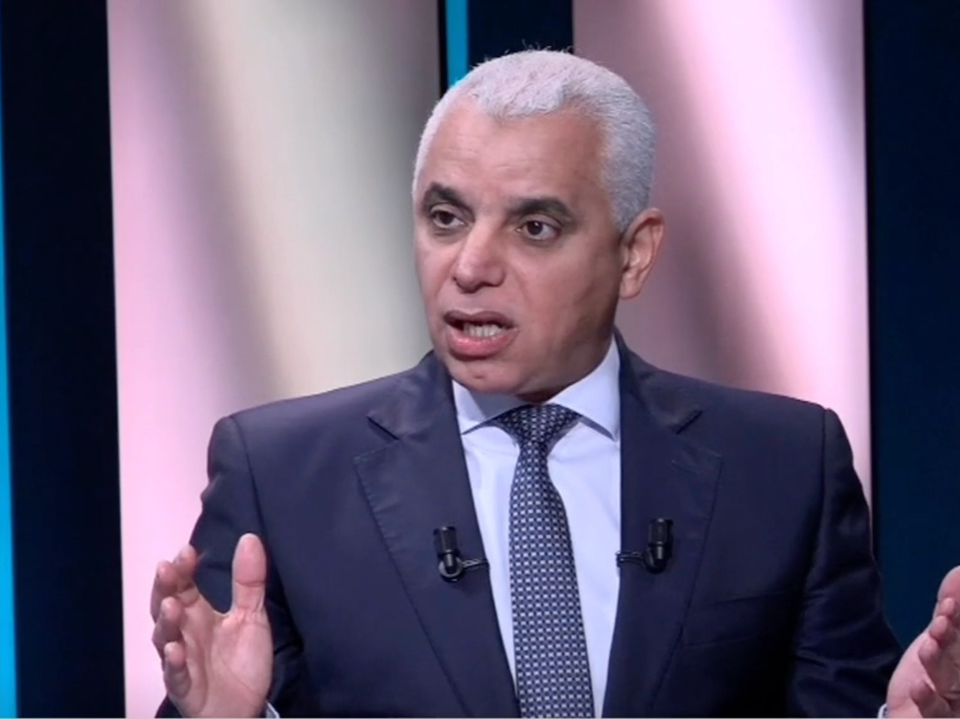
Appearing on Medi 1TV on Sunday, January 14, Minister of Health and Social Protection Khalid Ait Taleb answered questions about the reform of Morocco’s health system.
The Universal Health Coverage Project:
The Minister of Health emphasized Morocco’s commitment to reforming its health system. The interview was an opportunity to recall the progressive and strategic development of healthcare since the adoption of Law No. 65-00 in 2002, which launched the major Basic Medical Coverage (CMB) project. The first stage, implemented in 2005, concerned compulsory health insurance (AMO) for employees and retirees in the public and private sectors. The process continued with the launch of the Medical Assistance Scheme (RAMED) in 2008, targeting disadvantaged populations, and the extension of AMO to students in 2016 and to self-employed workers in 2018. Finally, in 2024, Morocco will take a new step with the introduction of AMO Achamil. As a reminder, AMO Achamil applies to any person able to pay AMO contributions, and to any person who does not exercise any paid or unpaid activity and whose score in the Unified Social Register (RSU) exceeds the threshold for eligibility for AMO Tadamoune.”
Khalid Ait Taleb stated: “The social-protection project, as desired by His Majesty, has achieved its objective. This project has enabled 22 million people to benefit from AMO. Today, we can say that there is not a single Moroccan excluded from medical coverage. Every citizen should fall into an AMO category: AMO Tadamoune, AMO TNS or AMO for employees. ”
Transition from RAMED to AMO:
The delicate transition from RAMED to AMO Tadamoune led to a readjustment of beneficiaries, with around one million people who did not meet the criteria redirected to AMO Achamil. This shift in focus, from income to expenditure, aims for a more equitable distribution of resources. The Minister of Health also stressed that the ministry had taken measures to ensure continuity of care for seriously ill patients, while encouraging citizens to register without delay in order to benefit from AMO Achamil.
The Shortage of Human Resources
The minister discussed the shortage of human resources. According to him, the number of doctors trained in Morocco, 1,500 per year, is insufficient, especially as 600 of them leave for abroad. Faced with the dual challenge of a shortage of health professionals and the emigration of skills, the Moroccan state has taken concrete initiatives, including reducing the duration of medical training from seven to six years and creating new training centers, one in each region, to train doctors and nurses.
Recognizing Human Resources as the Cornerstone of the Sector
Responding to skeptics, the minister recalled that Laws 08.22 and 09.22 provide robust answers to criticism, marking a royal commitment to a historic reform of Morocco’s health system. This reform highlights the recognition of human resources, considered the cornerstone of the sector. Health professionals therefore benefit from specific provisions and advantages preserved under civil-service status, including compensation linked to remoteness and performance, privileges that distinguish them within Morocco’s professional landscape.