

Moroccan Public Hospitals Face the SEGMA Test
Analysis of the SEGMA assessment for Moroccan public hospitals, from growing financial autonomy and pressure on care quality to workforce, governance and reinvestment of surpluses.
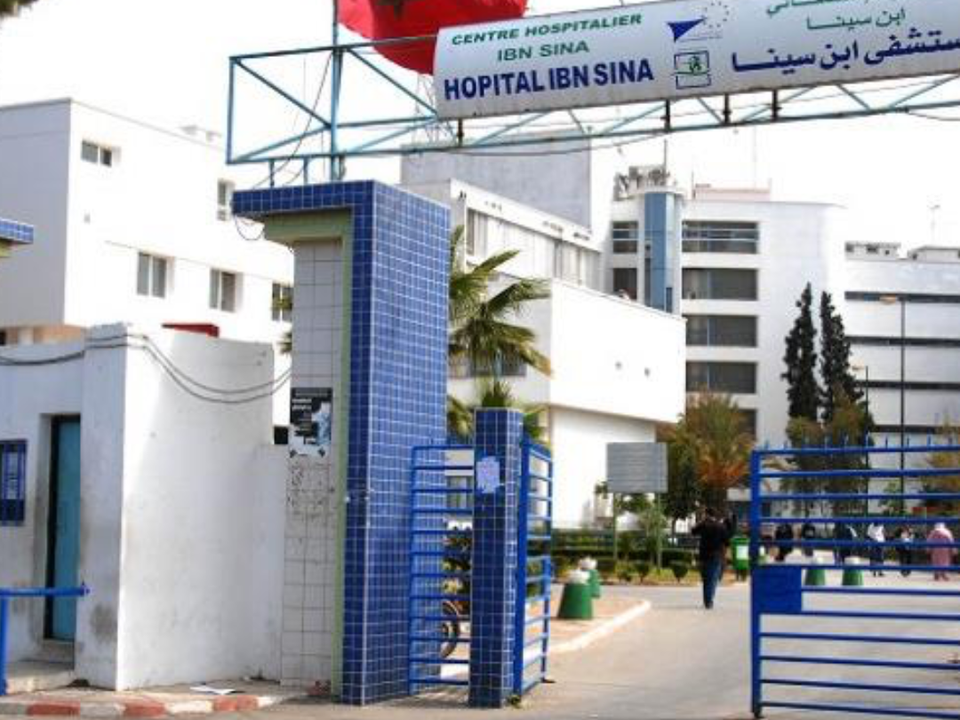
The year 2024 marked a significant stage in the trajectory of State services managed autonomously (SEGMA) in Morocco, with public hospitals as their main operators. The 2024-2025 SEGMA report reveals an encouraging financial dynamic, but also highlights persistent structural challenges that hinder the full realization of the promise of a universal, high-quality health system.
Hospital Preponderance and Growing Autonomy
The figures in the SEGMA report confirm the central place of health in Moroccan public spending:
- Dominant weight: Public hospitals represent nearly 53% of the 171 autonomous services in 2025 and account for an impressive 66% of total SEGMA expenditure.
- Financial performance: The overall rate of expenditure coverage by own revenues jumped to 103.8% in 2024, and even to 114% for hospitals in the health sector. This spectacular progress reflects a real effort toward financial autonomy and better cost control, confirming the relevance of the SEGMA model as an accountability instrument.
However, this financial performance is only one side of the reality. It must necessarily translate into tangible investment and not remain a simple accounting surplus.
Care Indicators Under Pressure
Access to care is improving, as the indicators show:
- Greater access: The hospitalization rate in public facilities stands at 3.46%, signaling growing demand and better coverage.
- Fruitful partnerships: The creation of nine new hemodialysis centers (180% of targets) and the treatment of 5,358 patients through public-private partnership (PPP) demonstrate a capacity to innovate in order to reduce waiting lists.
- Pressure on services: The cesarean-section rate of 12.33%, above the WHO recommendation (10%), illustrates the pressure placed on infrastructure and raises questions about the adequacy of medical practices.
The Persistent Challenge of Quality and Governance
Despite progress, including equipment modernization and the implementation of AMO Tadamone, quality of care remains the system’s main Achilles heel.
- Embryonic accreditation: Preparing Regional Hospital Centers (CHRs) for accreditation is a positive step, but its still embryonic stage reveals uneven application of national quality standards.
- Human resources and management: Structural weaknesses persist: staff shortages, administrative slowness, insufficient maintenance and uneven quality. Without a significant strengthening of human resources, especially in emergency departments, any management reform will remain a dead letter.
- Administrative complexity: The hospital system is still "dependent on a complex administrative model" that slows the rapid investment of financial surpluses in modernizing technical platforms and digitalization.
Priorities for 2026: The Quality and Safety Plan
The 2026 action plan is rightly focused on security, quality and the territorial attractiveness of hospital services.
- Safety and emergency care: The development of hospital emergency plans and the strengthening of human resources in emergency departments are crucial to system resilience.
- Internal governance: The review of outsourcing contracts (affecting patient stays) and the improvement of hospital billing are direct levers for better management and an improved patient experience.
- Anticipation: Developing the management of health risks and disasters is essential in a context of growing uncertainty.
Conclusion: The Need for "Controlled Autonomy"
The 2024-2025 SEGMA assessment is that of a public hospital undergoing slow transformation. It has been shown that the SEGMA model can generate financial autonomy. The challenge for 2026 is to prove that this autonomy is not an end in itself, but a powerful means serving a higher objective: uniform quality of care for all citizens.
Success will depend on the ability of hospital managers to turn surpluses into real investment and carry out effective decentralization of decision-making. Only this controlled autonomy will make it possible to correct failures and adapt public hospitals to the requirements of a universal and modern health system.