

Morocco's New Medicine Pricing Reform
Analysis of Morocco's medicine pricing reform, from price reductions and AMO reimbursement control to generics, local production and sector resistance.
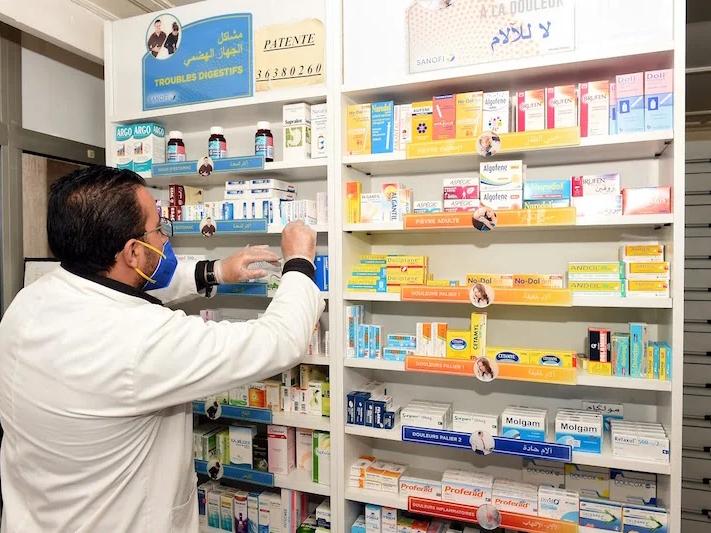
As part of the gradual overhaul of Morocco's health system, the Ministry of Health launched a major reform of the medicine pricing mechanism on May 26, 2025. This initiative comes amid persistently rising prices, which are slowing equitable access to treatment for a large share of the population. What dynamics led to its implementation, what concrete objectives does it pursue, and how is it perceived by pharmaceutical-sector actors and health-policy experts?
A Reform That Breaks With the Uniform Logic of 2014:
Unveiled by the Ministry of Health, the new medicine pricing reform marks a clear break with the model in place since 2014. It introduces a deeply redesigned, more targeted and more rigorous approach. According to Abdelmajid Belaiche, a pharmaceutical-industry expert, this reform rests on three essential structural pillars:
- Setting public selling prices: this measure concerns only medicines that are reimbursed or likely to be reimbursed, thereby excluding so-called "comfort" medicines. Other medicine categories are therefore excluded.
- Revision of public selling prices (PPV) for originator medicines and generics: An optimized formula for current generics will be applied to reduce medicine prices.
- High-budget medicines: For medicines that represent at least 50% of reimbursed amounts, a system will be introduced with a disclosed list price and an undisclosed discounted negotiated price. If negotiations fail over the excessive price of a patent-protected originator medicine, compulsory licenses are being considered.
Objectives of the Reform:
The main objective behind this new reform is to significantly reduce medicine prices in Morocco for three main reasons:
- Facilitating citizens' access to care: medicine prices in Morocco are often very high, sometimes 3 to 4 times more expensive than in several European countries, making access to care difficult for a large share of the population and also affecting household budgets.
- Reducing compulsory health insurance expenditure: a small proportion of medicines (around 4%) accounts for more than half (54%) of AMO reimbursements, with prices sometimes very high, above 10,000 dirhams per box. In addition, a recent study by CNOPS and the customs administration highlighted anomalies in medicine price-setting, particularly for the most expensive products, leading to a lack of transparency and non-compliant pricing practices.
- Strengthening the country's sovereignty: by promoting local production of medicines, particularly generics, the reform reduces import dependence and strengthens the country's sovereignty. It also introduces stricter price regulation, allowing the state to better control distribution and procurement channels.
The Main Levers of the Reform:
To achieve these ambitious objectives, the reform relies on a set of structural and regulatory levers intended to correct failures in the current system, rationalize public health expenditure and establish fairer, more sustainable pricing.
Among these main levers:
- A direct price reduction: Since 2021, more than 5,300 medicines have seen their prices fall, including around 190 used for chronic diseases. The reductions target medicines with high consumption or high health impact.
- Strengthening local production: The country wants to cover 50% of medicine needs through national production. To strengthen local production, Morocco is relying on the promotion of generic medicines and progressive import substitution. The state supports national laboratories through tax exemptions, public financing and simplified approval procedures. An envelope of 1.8 billion dirhams has been mobilized to support this transition. The objective is to cover 50% of medicine needs through national production. An import-substitution strategy is underway, notably by promoting generics.
- Creation of a medicine agency: This autonomous agency is tasked with regulating and controlling prices and stocks, and ensuring transparency. In addition, a digital traceability system is planned to prevent shortages and monitor unjustified price increases.
Key Issues and Challenges:
Despite all these measures, the Moroccan government still faces many challenges whose repercussions are especially visible among disadvantaged populations:
- Prices remain too high: despite attempts to reduce prices on some medicines, they remain too high. Compared with international standards, prices are considered 4 times higher than in some European countries.
- Low acceptance of generics: Despite their lower cost, generic medicines suffer from a perception of lower quality among some prescribers and patients, slowing their adoption. The effectiveness of the reform will therefore also depend on awareness campaigns and changes in medical practice.
- Resistance from laboratories and private actors: According to Abdelmajid Belaiche: "The reaction of pharmacists to the revision of national reference pricing raises the issue of the quality of dialogue between supervisory authorities and pharmaceutical-sector actors, particularly community pharmacists."Laboratories, distributors and pharmacies oppose reduced margins or measures such as automatic substitution with generics.
Conclusion:
The medicine pricing reform is part of a clear commitment to make Morocco's health system more equitable, more accessible and more sovereign. By addressing structural dysfunctions in the pharmaceutical market, it seeks to ease the financial burden on citizens and health insurance while stimulating local production. However, its success will depend on the state's ability to overcome resistance, accelerate concrete implementation of the measures and guarantee rigorous, transparent governance.
Which levers should Morocco activate as a priority to ensure the effectiveness and sustainability of medicine pricing reform in the face of sector resistance and social expectations?