
Reforming Public Health in Morocco: Between Ambitions and Challenges
A look at Morocco’s parliamentary debate on health reform, from new university hospitals and social protection to human resources, public health and pharmaceutical sovereignty.
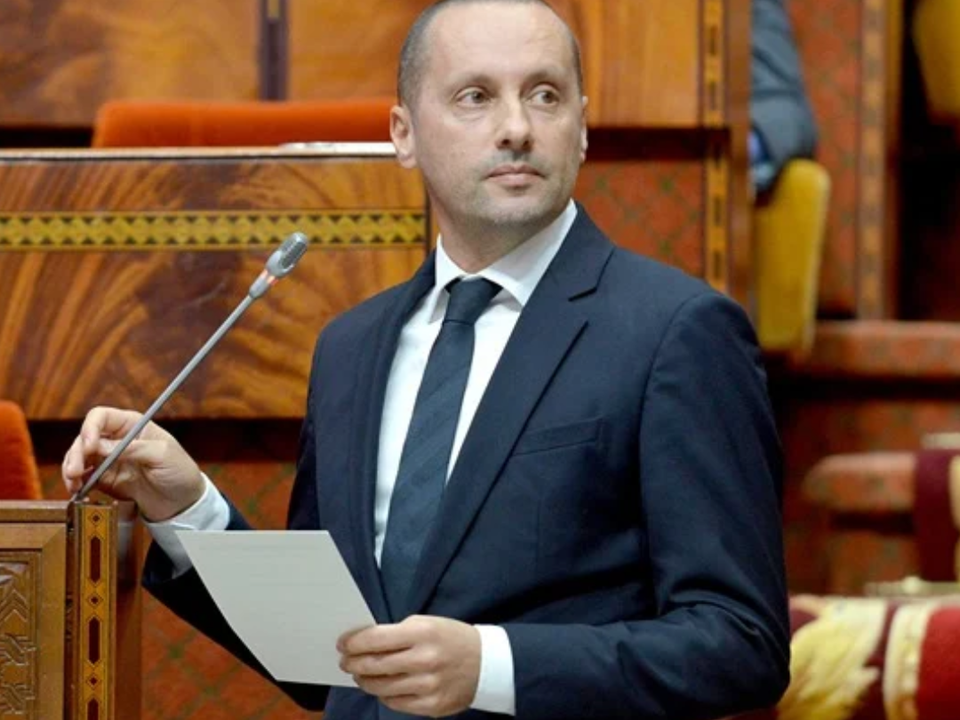
Minister of Health and Social Protection Amine Tahraoui addressed Moroccan members of parliament on Tuesday, January 7. Despite significant announcements, his intervention revealed a mixed picture, combining promising advances with persistent structural challenges. Here are the main points from this parliamentary debate.
Structural Reforms to Transform the Health System
In his address, the minister highlighted two major reform priorities:
- Infrastructure development: among the announced initiatives, the construction of five new university hospital centers (CHUs) and 40 local units reflects the desire to modernize the care network. These projects, representing an investment of 42 billion dirhams, aim to increase the number of available beds in Moroccan hospitals by 11,460.
- Strengthening social protection, Amine Tahraoui presented Draft Law No. 54.23. This text proposes important amendments to Law No. 65.00 on Compulsory Health Insurance (AMO).
Points of Friction: Delays, Priorities and Transparency
Members of parliament pointed to concerning issues, particularly:
- The dominance of private clinics, accentuated by CNSS and CNOPS reimbursements that largely favor this sector, to the detriment of already strained public facilities.
- The High Authority for Health, created in 2024 but still inactive because implementing texts have not been adopted. This delay compromises its missions of regulating mutual funds and guaranteeing quality of care.
- The cancellation of a call for tenders for the digitization of medical records also raised questions. Although 190 million dirhams had been allocated to this project under the previous management, the minister deemed it “not a priority.”
Progress and Public-Health Challenges
Despite these obstacles, significant progress has been made:
- Strengthening the health workforce: With 6,500 recruitments planned by 2025, the ministry intends to address the shortage of medical staff, an essential condition for improving quality of care.
- Reduction in maternal mortality: Falling from 244 deaths per 100,000 births in 2000 to 72 in 2020, this trend reflects improvements in medical supervision.
Nevertheless, other challenges remain acute, particularly the economic and health impact of smoking, which is responsible for 12,800 premature deaths per year and weighs more than 5 billion dirhams on health expenditure. The minister mentioned preventive measures, but their long-term effectiveness will depend on rigorous implementation.
Toward Pharmaceutical Sovereignty: A Strategic Project
Another central part of the intervention concerned pharmaceutical sovereignty. The creation of the National Agency for Medicines and Health Products, combined with initiatives to promote generic medicines, aims to secure supply and promote the local pharmaceutical industry. National plans are also planned to combat medicine shortages and encourage the local pharmaceutical industry.
Conclusion: Finding a Balance Between Vision and Execution
The parliamentary debate highlighted important ambitions to reform Morocco’s health system. However, the success of these reforms will depend on the ability to overcome structural delays, establish greater transparency and align priorities with citizens’ real needs.
In a context where trust in public institutions remains a crucial issue, the question remains: how can Morocco translate these ambitions into tangible results to build an inclusive and sustainable health system equal to its citizens’ aspirations?