

Vaccines in a Trust Crisis: Understanding Hesitancy in Africa
An analysis of vaccine hesitancy in Africa and Morocco, covering declining trust, misinformation, falling booster uptake and the resurgence of measles.
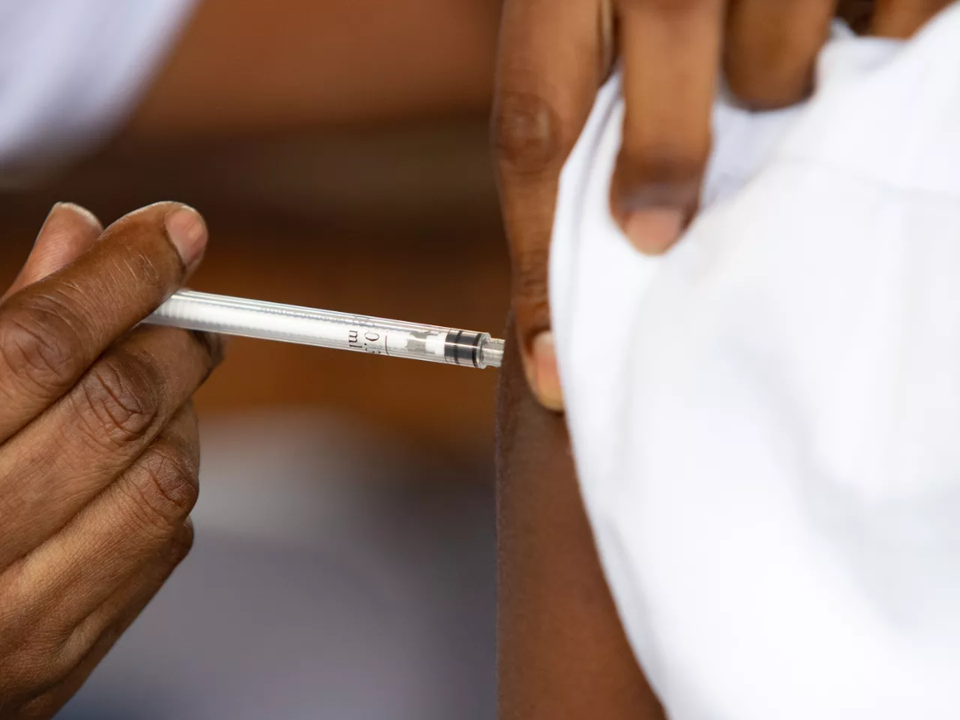
In 2025, one in three young adults worldwide is hesitant to vaccinate their children against preventable childhood diseases such as measles, polio and whooping cough. This is one of the striking findings of the 2025 Edelman Trust Barometer, which reveals that 46% of 18- to 34-year-olds do not support all childhood vaccines, compared with 31% among people over 55.
The World Health Organization (WHO) is warning of a decline in vaccination coverage, a direct consequence of disruptions linked to the COVID-19 pandemic and accumulated "immunity debt." This phenomenon reveals growing distrust, fueled by misinformation and doubt toward health institutions.
A Trust Crisis Across Africa:
As early as 2019, the WHO identified vaccine hesitancy as one of the ten main threats to global health. Three years later, this warning was confirmed: according to Afrobarometer data (2022), around 4 in 10 Africans doubted the effectiveness of COVID-19 vaccines. This mistrust is not uniform: it varies sharply by country, depending on trust in institutions, health systems and preferred information sources. Thus, in Morocco, 74% of citizens said they had "some" or "a lot" of confidence in their government's ability to ensure vaccine safety. By contrast, this rate falls to only 15% in Senegal, revealing a clear divide between national perceptions. In Niger, 56% have little or no belief in it.
Factors Behind Vaccine Hesitancy
Countries where citizens rely more heavily on social media for information, for example, often record higher skepticism rates because of fake news. While lower education levels are generally associated with greater hesitancy, this correlation is not systematic. Indeed, only 48% of African citizens say they want to be vaccinated against COVID-19, despite a good level of information (84%).
Beyond the influence of fake news, these hesitations are also rooted in a collective memory marked by the colonial legacy, as well as an ambivalent relationship with so-called "Western" medicine.
The Situation in Morocco:
This global trend, driven by the rise of social media and distrust toward institutions, has not spared Morocco, where the resurgence of measles illustrates the effects of this silent crisis of vaccine confidence.
At the start of the COVID-19 pandemic, Morocco was praised for the speed and effectiveness of its vaccination campaign. Thanks to strong centralization of decisions, rapid access to vaccines and unprecedented logistical mobilization, the Kingdom managed to create a climate of trust, at least temporarily. Yet this momentum now appears to have weakened.
In October 2023, Morocco saw the abrupt return of a disease believed to have been eradicated: measles. With nearly 20,000 confirmed cases and more than 100 deaths, the majority involving children under 12, the situation quickly took on the features of a health emergency in early 2025: an unusual resurgence of measles was observed in several regions of the country, including Ifrane, Al Hoceima and Taza. This situation is believed to be directly linked to the decline in childhood vaccination rates. Dr. Afif points to growing disinterest among families in booster shots and vaccination appointments, a phenomenon that has worsened since the pandemic. Some health centers even had to launch urgent catch-up campaigns to try to close the gaps.
How Can This Relaxation Be Explained?
This decline in vaccination could be explained by several factors. First, what can be described as post-pandemic fatigue appears to have left a lasting mark on the population: after months of restrictions and anxiety-inducing messages, some citizens moved away from health recommendations. Then, conspiracy and anti-vaccine narratives, widely circulated on social media during the COVID-19 crisis, left traces. Finally, as the figures show, a form of latent mistrust toward public institutions and health systems seems to have been revived by the pandemic, contributing to current vaccine disengagement.
Paths for Action: What Can Be Done About This Distrust? Proposed Solutions:
Based on the study carried out by Afrobarometer, several recommendations were proposed:
- Invest in training community health workers as trusted figures.
- Develop localized, culturally sensitive communication campaigns centered on real benefits.
- Strengthen scientific transparency on rare side effects.
- Think of vaccines as public goods rather than industrial products.
- Create a risk-benefit calculator accessible to the general public.
- Re-anchor vaccination in a local public-health logic, especially in disadvantaged areas.
Conclusion:
The measles outbreak in Morocco, occurring barely two years after the end of the global health crisis, acts as a warning signal: beyond the immediate epidemiological effects, the COVID-19 pandemic profoundly shook the relationship between citizens and public-health policies. The abrupt return of a disease thought to be under control highlights the massive circulation of misinformation and a gradual disengagement of populations.
Responses do exist: strengthening local health outreach, reinvesting in marginalized territories and, above all, restoring trust. But they require strong and sustained political commitment, far from one-off emergency logic. Africa as a whole shares this challenge, with contrasting national dynamics but a common fragility in risk perception and institutional legitimacy. One question remains: will Morocco, and Africa more broadly, learn from this warning to rebuild collective adherence to vaccination, or will we witness a silent resurgence of preventable diseases?